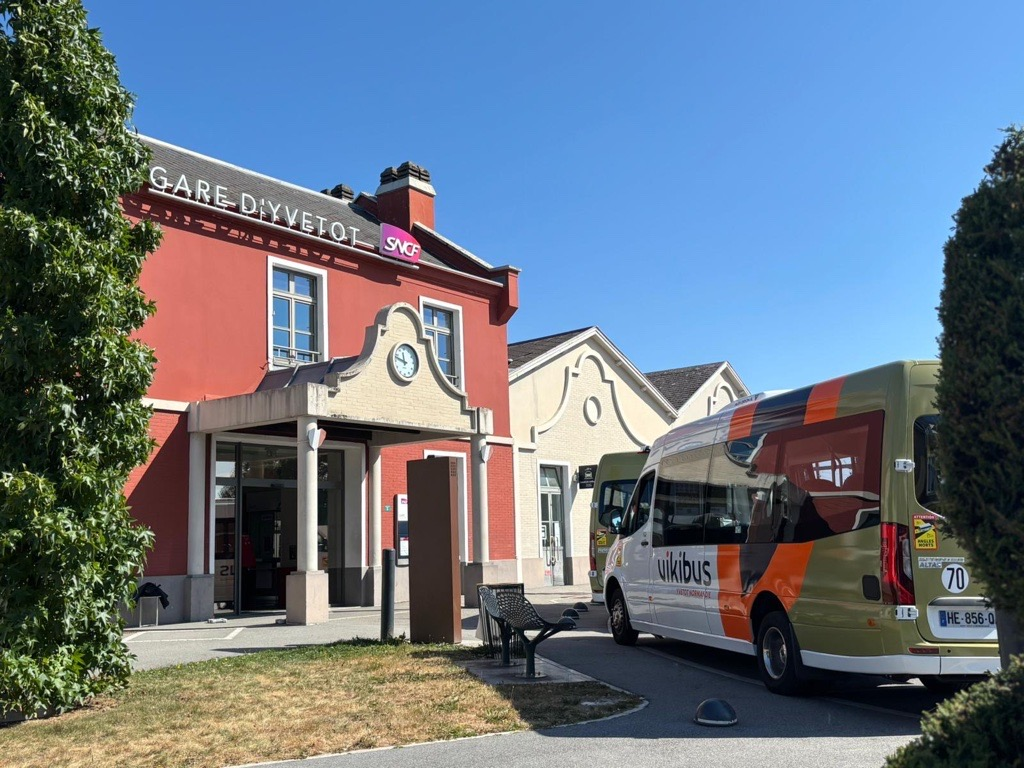
News · Demand-responsive transport
Demand-responsive transport in rural areas: who is it for, and how to make it really effective?
In sparsely populated areas, the car often remains essential. Demand-responsive transport (DRT) offers a flexible alternative, but its effectiveness depends as much on how the service is organised as on technology or budget.
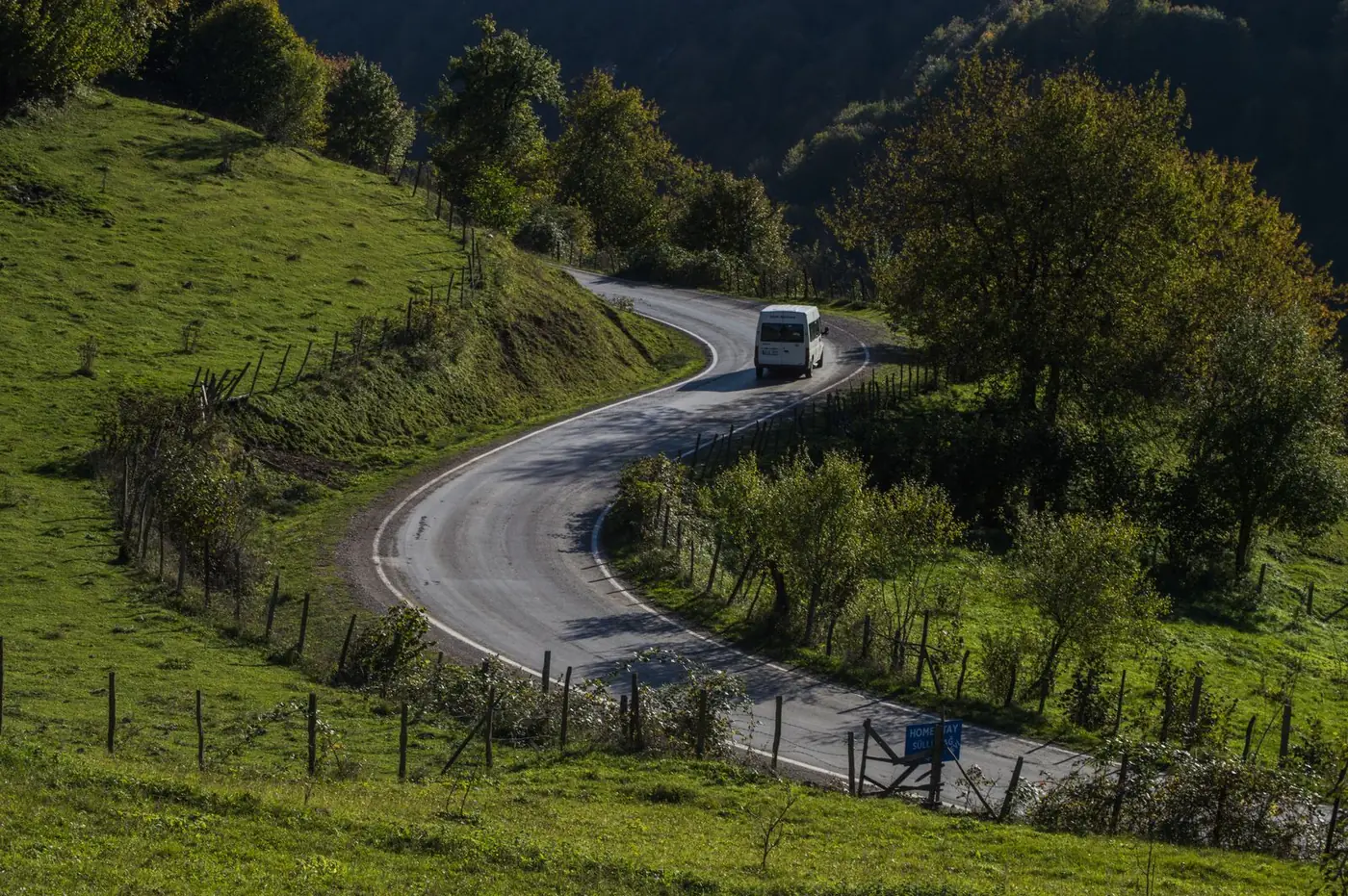
01Mobility, a major rural challenge
Marie is 78. She lives in a village of 300 people and stopped driving two years ago. On Tuesday, she has an appointment with her cardiologist, twenty kilometres away. The school coach only runs at school times, and her daughter works. How will she get there?
Thousands of residents face this situation every day. According to a Wimoov survey, 72% of French people use the car as their main mode of transport. In rural areas, the figure rises to 87%. And one person in two feels they cannot really choose how they travel day to day. For many, the car is not a choice, it is a necessity.
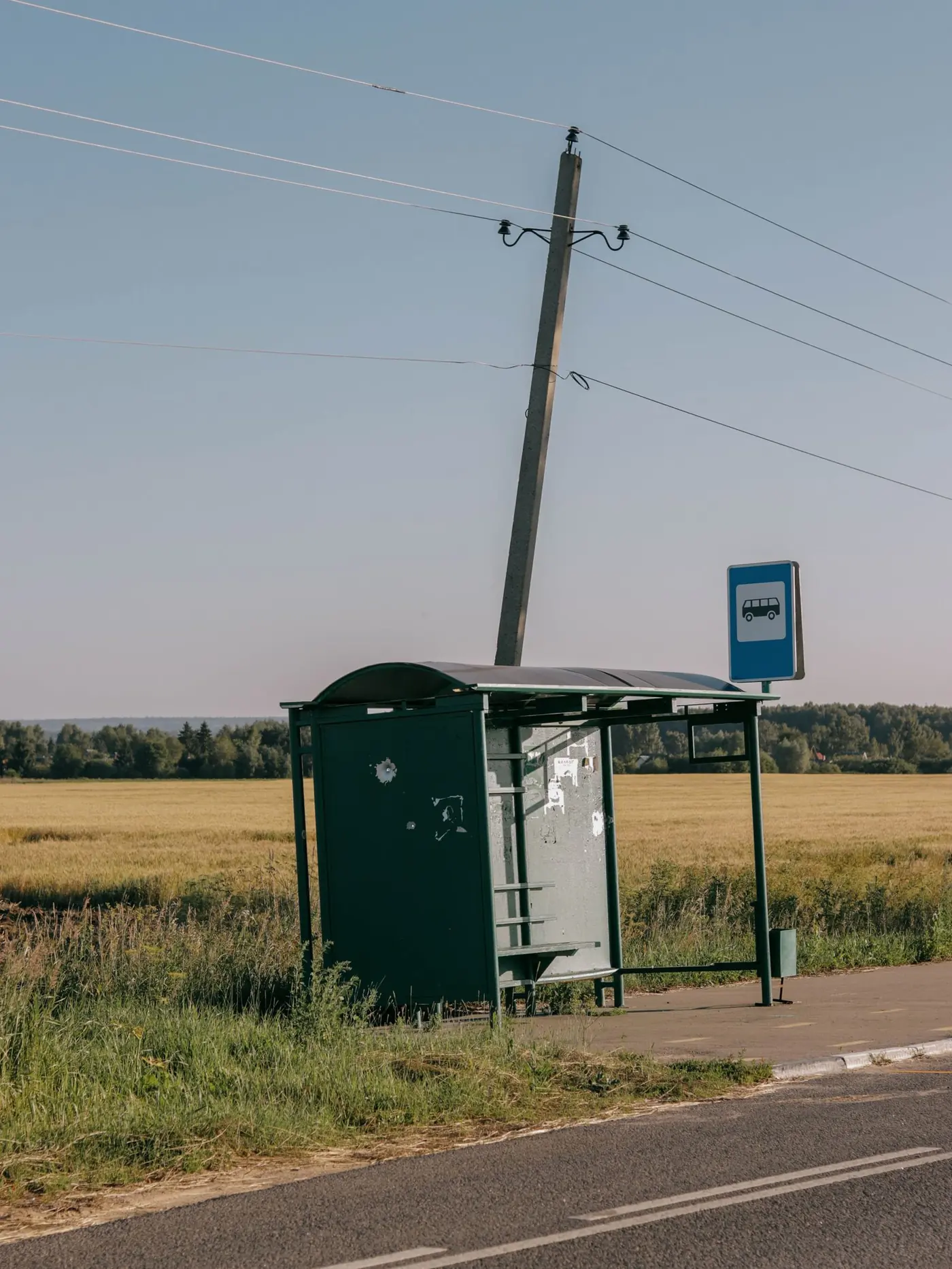
Conventional bus lines struggle to meet this need. In villages of fifty to sixty inhabitants, running an empty bus to a hamlet at fixed times is expensive: demand is scattered, distances are long, and fixed timetables rarely match real needs.
This is where demand-responsive transport comes in: a public transport service whose routes and stops are organised around passengers’ bookings. Who is it for? How does it work? What makes it succeed, and which limits should be anticipated? We take stock, drawing on the experience of areas that have deployed it.
02What exactly is DRT?
Demand-responsive transport is a form of public transport, just like the bus or the tram, but organised more flexibly. Passengers book their trip in advance; the vehicle then adapts its route, its stops and sometimes its times to the day’s requests.
It can take several forms:
- Door to door: the vehicle picks passengers up at home and drops them at their destination.
- Stop to stop: the trip runs between defined pick-up and drop-off points.
- Feeder service: it links villages to a station, an interchange or a town centre.
03Why it makes so much sense in rural areas
DRT makes it possible to serve areas where a regular line would not be economically viable. By grouping passengers according to actual requests, it limits empty kilometres compared with a fixed line. However, DRT does not replace everything: it complements regular lines, car-sharing, walking and cycling.
04Who is it for? Priority users
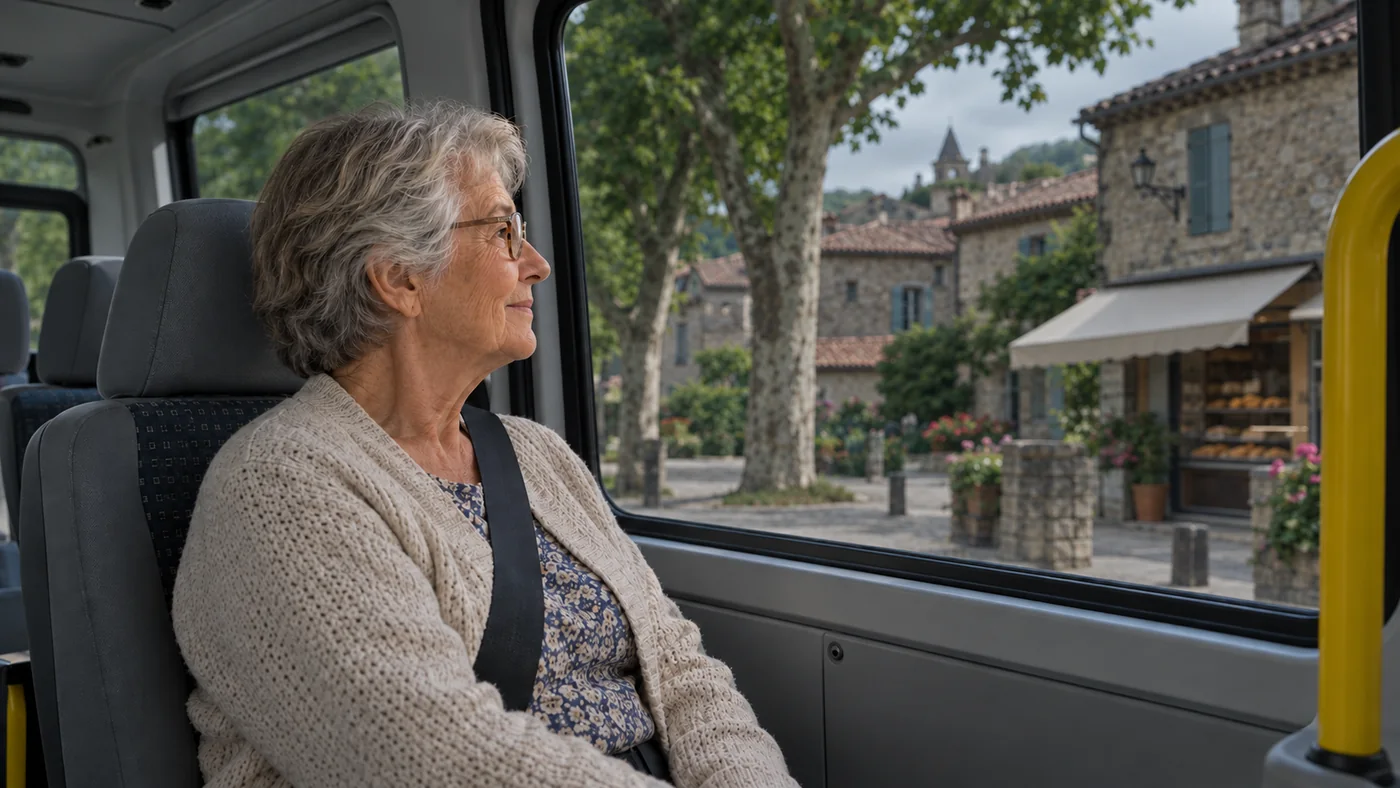
- Older people: going to the doctor, shopping, handling paperwork, seeing family… For an older person who no longer drives, every trip becomes a challenge. DRT meets these essential needs and also helps fight isolation. In the Perche area, most users are older people, and almost a third of trips are linked to medical appointments.
- Young people without a licence: secondary school, training centre, sports club, cultural or community activities… In rural areas, young people’s independence often depends on their parents being available. DRT gives them freer access to the area.
- People without a vehicle: jobseekers, low-income households, single-car households… DRT makes it easier to reach job areas, public services and training.
- Workers and occasional users: DRT can provide the “last mile” between a village and a station, an interchange or a business park. It also helps when the car is unavailable, for example to get home after a regional train journey.
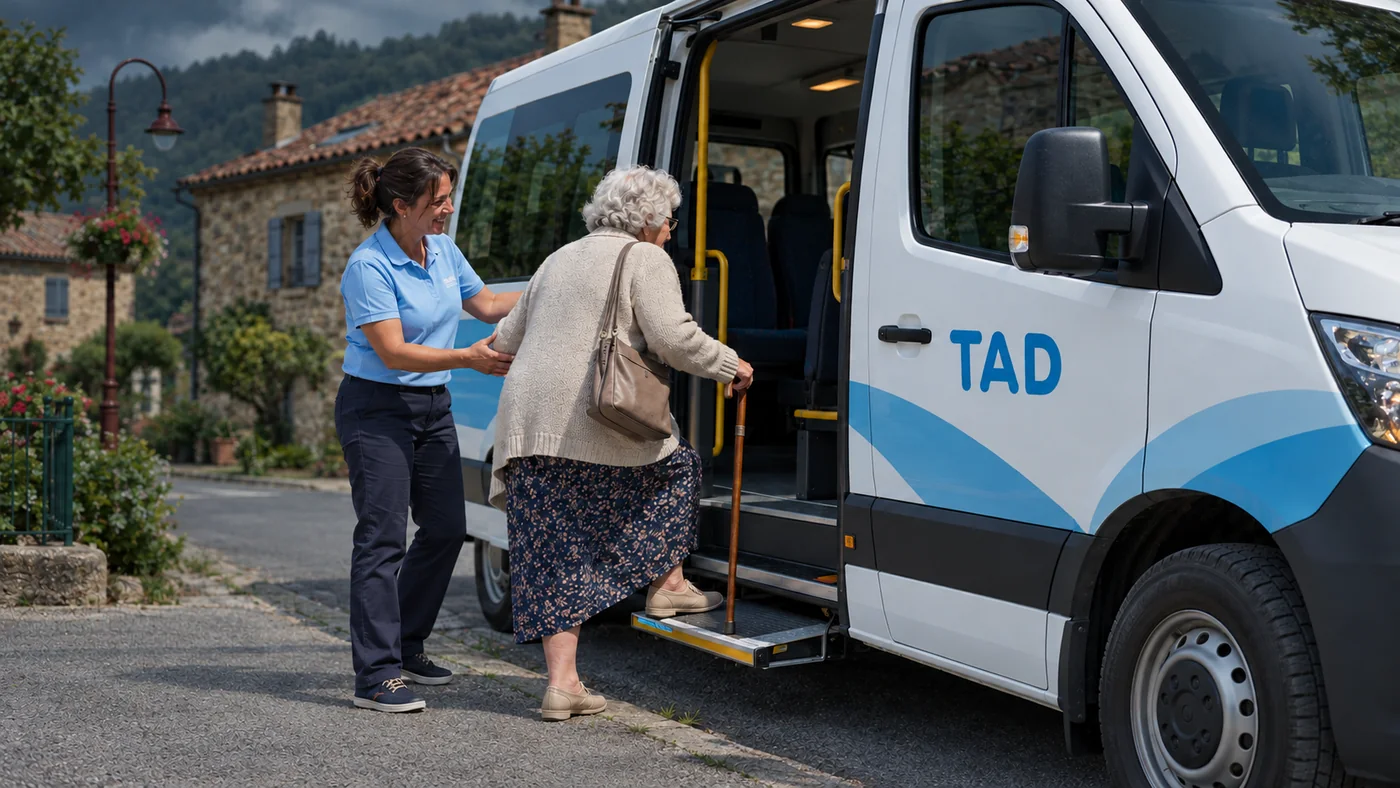
- People with reduced mobility: some DRT services are adapted to people with disabilities, with specific vehicles and assistance.
05How to make it effective: 6 key levers
The Yvetot-Normandie community of municipalities has experienced this first-hand. Its DRT service, designed to link rural municipalities to Yvetot, exceeded its targets by 150% in less than a year, with more than 2,000 registered users by the end of the first year. This success was no accident. It rests on concrete choices that can be found from one area to another.
06Lever 1: make booking simple
A good DRT service is easy to book, whoever the user. That means several channels: mobile app, website, phone, or even local help desks.
In Yvetot-Normandie, an area with a high proportion of older people, around a third of bookings are still made by phone. In Cœur de Flandre, younger people book online while older people prefer the phone: both channels coexist. In Moselle et Madon, the choice was more radical. The DRT service, aimed at older people and people with reduced mobility, runs without an online portal: there, proximity and human contact come first.
07Lever 2: match timetables to real needs
Before setting time slots, you need to understand why residents travel: health, work, studies, shopping, leisure, connections at the station. A useful DRT service covers essential trips, including early in the morning, in the evening and on Saturdays.
In Moselle et Madon, the regular network was organised so that the first bus reaches the hospital around 5:30 am, so that healthcare staff can start their shift at 6 am. The same reasoning applies to DRT.
08Lever 3: make routes flexible without losing clarity
Door to door, stops on request, service zones, virtual lines, feeder points: there are many models. The whole challenge is finding the right balance. Too much flexibility makes the service hard to understand and costly; too little makes it less useful.
Yvetot-Normandie deliberately chose a structured framework: defined feeder points, set time slots and two distinct geographical zones. As Astrid Bigault-Dam, head of planning and mobility services, puts it: “It’s better to start with something well defined, then let it evolve.”
It’s better to start with something well defined, then let it evolve.
09Lever 4: connect DRT to other modes
Connected to stations, coach stops, hospitals, shopping areas and employment zones, DRT becomes a real link in the network.
In Cœur de Flandre, the Hopbus network was designed from scratch around three complementary levels: urban shuttles in each of the three towns, intercity lines between these hubs, and a DRT service for the rural municipalities in the north of the area. The common goal: bring passengers to the stations of Hazebrouck and Bailleul, gateways to Lille, Dunkirk and Paris.
DRT also benefits from being linked with local car-sharing, car clubs, school transport or approved medical taxis. The FNTV’s guide to rural mobility highlights the value of reliable, clear and easy-to-use services to strengthen the local network.
10Lever 5: communicate with residents
In rural areas, word of mouth is decisive. In Yvetot-Normandie, communication focused on proximity: flyers in each municipality, speeches at the mayors’ New Year events, QR codes in schools, a presence on social media. Local councillors played a decisive role: some mayors personally promoted the service, even accompanying the first users.
To remove barriers, nothing beats concrete answers: how do I book? How much does it cost? Where does the vehicle stop? Town halls, health centres, associations and schools are all valuable relays.
And the service goes beyond the vehicle: in Yvetot, the dedicated DRT driver plays a real social role. For some users, they are one of the few people they speak to all day.
11Lever 6: measure results and adjust the service
A DRT service needs to be managed. A few simple indicators are enough to know whether it is fulfilling its mission:
- the number of bookings and the cancellation rate;
- the share of trips actually run;
- waiting time;
- the share of pooled trips;
- user satisfaction;
- cost per trip.
This monitoring is essential to keep the service sustainable. In the Perche area, DRT costs the community of municipalities around €100,000 a year, which means the offer has to be adjusted. Regular reviews with councillors, the operator and users help the service evolve as needs change.
12Limits to anticipate
Demand-responsive transport is a powerful tool, but it is not a miracle solution. Four limits are worth anticipating:
- It will not fully replace the car in very scattered areas.
- It requires stable public funding, as fare revenue generally does not cover all costs.
- It requires coordination between local authorities, operators, taxis, associations and employers.
- It must remain accessible to everyone, not only to people already comfortable with digital tools or paperwork.
DRT is therefore part of a wider ecosystem. Cycling, car-sharing and car clubs remain valuable complements, but their success depends on powers the transport authority does not always hold, such as roads or parking.
13A single platform
From Normandy to Lorraine, several areas rely on Hubup solutions to run their demand-responsive transport service, each with choices suited to its users and its geography.
At Hubup, we are convinced that DRT works better when it is designed as part of the network, not alongside it. That is why our ITS (intelligent transport system for operations and passenger information) brings regular lines, demand-responsive transport and transport for people with reduced mobility together on one single platform. In practice:
- regular lines, DRT and PRM transport are managed in the same place;
- passengers book online or by phone, as they prefer;
- DRT vehicles are tracked in real time, including on approximate timetables;
- the estimated arrival time is sent to passengers;
- reports and statistics help adjust the service over time.
14A useful service when it is designed for residents
Demand-responsive transport is a powerful lever for opening up rural areas, provided it is simple, reliable, well communicated and connected to other modes of transport.
Its success does not rest on an app alone. It depends on a good understanding of local needs, suitable timetables, relevant feeder points and lasting funding. And, perhaps above all, on the women and men who carry it on the ground: councillors, staff, drivers.
Demand-responsive transport will not end car dependency overnight. But it can give residents of rural areas back an essential part of their freedom of movement. For Marie, it simply means being able to get to her appointment on Tuesday.